Episode Transcript
[00:00:02] Speaker A: Welcome to the Love Justice Podcast where we hear from different voices who are joining us in the fight against modern day slavery. Here's your host, Hannah Munn.
[00:00:16] Speaker B: Welcome to the Love Justice Podcast where we share the ideas behind Love Justice's impactful work through conversations about fighting the world's greatest injustices.
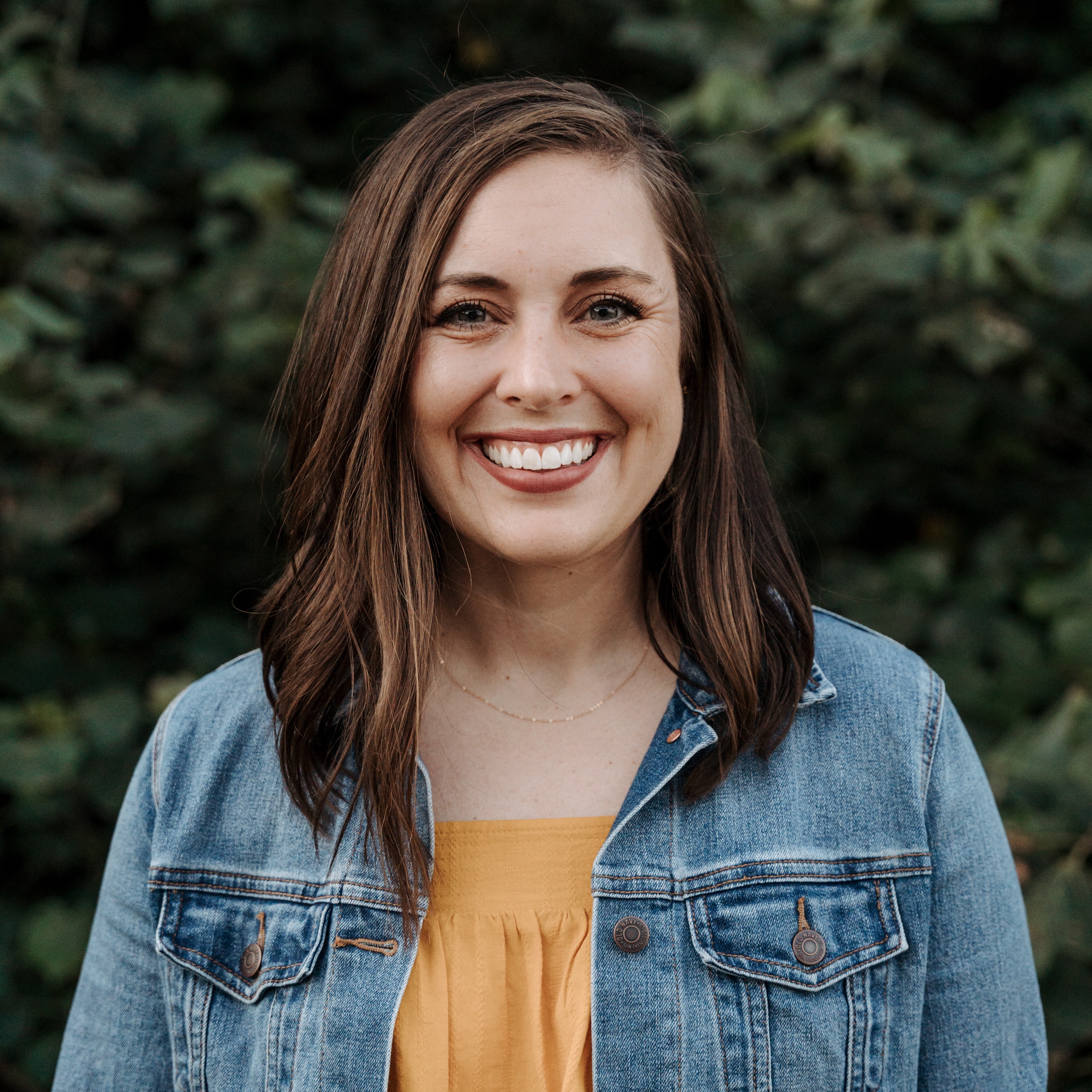
I'm your host, Hannah Munn. Today I am joined by Ashley Chapman, human rights lawyer, social entrepreneur and one of USA Today's Women of the Year. For more than two decades, Ashley has been building solutions to prevent exploitation and protect vulnerable populations.
She's the founder of multiple initiatives that have shaped the anti trafficking landscape, including the alliance for Freedom Restoration and Justice Engaged Together, the Freedom Council, Justice U and Altis.
Through these efforts, she has equipped thousands of people across the world to recognize and respond to human trafficking.
What I love about Ashley's story is her calling started at an early age at just 11 years old and has grown into a lifelong mission to end human trafficking by equipping people like you and me, communities and leaders.
In our conversation. Today we're going to unpack that journey to explore the innovation she's building and talk about what gives her hope for the anti trafficking movement and what challenges still remain for us who care about justice.
What excites me most about this conversation is how practical it is. Ashley's work reminds us that this fight isn't only global, it's also deeply local.
If you wonder how to love and serve the least of these in your own neighborhood, city or town, her initiatives, especially the Justice University one hour training, are offers a clear place to start and we'll hear stories of the real fruit and impact of that work in today's conversation. So without further ado, let's dive in. Welcome to the Love Justice Podcast, Ashley. We're so excited to have you today.
[00:02:07] Speaker A: Thank you, Hannah. It's a joy to be with you all.
[00:02:10] Speaker B: Ashley, you. Let's just. We're going to dive right in. You have said in multiple interviews, I'm sure you've done hundreds of them at this point that you discovered your calling at just 11 years old. Can you take us back to that moment and how it shaped the direction your life has taken since?
[00:02:31] Speaker A: Yeah, Hannah, so I'll try to answer that fast. But it was a sort of a series of events over the course of a summer when I was 11. So my, and it went down like this. So I, I had tagged along on like a youth retreat that my dad said pastor and so I had sort of was sitting kind of in the back.
Youth retreat Feeling very old. You know, I'm 11, but I'm at a youth retreat kind of moment. And there was a song that someone sang that just really convicted my soul.
Just really felt like God was telling me, hey, listen, you are waking up every day and not asking why.
And it was just really convicting to me that I was just living a very selfish life. You know, I was waking up every day and just doing my thing, going about my day, just living my life and not asking God what, what he wanted me to do with that day. And so I promised the Lord that I would wake up every day and ask him what to do with that day. And so from thence forward. And I was a bit of an ambitious child, Hannah. So I thought, well, maybe the first thing I need to do is read the Bible through. So I created like a six month reading plan.
And I was just about two weeks into that when a woman came to my parents in our community and said that she was being beaten and so were her three children and could they come into our home for rescue.
Only the first night that they were in our home, we realized she was also an abuser. And so she left our home. And then we had three little children who had experienced really every form of abuse and trauma that you could possibly imagine. And it was my introduction to the horrors that face kids and vulnerable people in our world.
But the other thing I could not wrap my mind around was how our community had failed these kids to such an extent that this level of trauma and exploitation could have occurred in their little lives. And why was it so hard to get them to safety on the other side? So my parents for six months were fighting this broken system to try to keep the kids together, to keep them from being returned to a home that would surely kill them.
And their outcome six months later was good, right? So we miraculously were able to get them all adopted together in a home, in a loving home.
But all that time I had been also reading the Bible through and just seeing page after page after page of God's heart for the oppressed and the vulnerable and the orphan and people who are hurting in this world. You can't miss it. It flies off every page. And so when the children all left our home, I went to my parents and I said, listen, I think I know why God put me on this planet. I think it is to try to fix what's broken in our communities that allows this to occur.
And I think I'll need a law degree to do it. And so that it has been really.
[00:05:34] Speaker B: At 11 years old. Ashley.
[00:05:37] Speaker A: So they were like, they were very supportive, of course. They were like, okay, you know, so that is really the only thing Hannah I have focused on everyday sense now that's taken a lot of different paths, you know, to, to accomplish different things and I've worn a lot hats in it. But that's what I am today, a human rights lawyer that helps communities fix what's broken.
[00:05:59] Speaker B: That is an incredibly mature question or thought to be perceiving from God of like why are you're waking up every day and you're not asking me why? It's like that's convicting for someone in their 30s, let alone like 11 year old. That's incredible. Ashley. And you then became the director of a non profit at 19 years old, which is also wildly impressive.
Can you tell us about that experience and how it shaped your approach to systems level justice work?
[00:06:38] Speaker A: Yeah. So yeah, what happened was I had blaze through high school, you know, on the law school path. I had gotten a full tuition scholarship to a university in Nashville, was triple majoring, getting ready, you know, honors program and all the things, and on full scholarship, thank the Lord. And two weeks into that I, I got very sick. And then the doctors were not giving us a good prognosis. They were saying it's either this or this or this. And all of them were not good. And so I, I stepped away from college. I was like, that's confusing. You know, this has been like, you know, the only thing I've been sort of pursuing for a long time. About six months later the doctors came back and said, whoops, sorry, wrong diagnosis, that's, that's not the trouble. And I was just like, what?
So I, I went back to the university and they were like, oh, we're so sorry, we've given your scholarship to another, you know, another person. And so, so I was, I was a bit at a loss for a second, just trying to figure out what this is. Quite the redirection, you know, like on the path. But what happened was I had, I had met my husband at that point, you know, that I eventually married and his family had had launched some years before a 450 acre property dedicated to at risk children. And they needed badly a director over all those programs and all their volunteers and all of the things they were building.
So I just figured, well, I guess that's the next step. So I went and at, yes, 19, very, very green stepped into that role and we built out children's homes and built out, you know, 450 acres of campus Ministry and worked with about a thousand children a year.
But Hannah, after about seven years of that and directing that and just working with hundreds of volunteers and thousands of kids, I just got so frustrated again with how many sexual assaults it took to remove a child from a situation that cigarette burns on the back of a body was not yet a broken bone. And, you know, and just all of this brokenness. We had 11 year olds we were caring for that had been through 21 foster care placements in her young life. And so about seven years in, I just said to my husband, listen, I gotta get back to, you know, trying to solve for this. And, and, and, and so he said, okay. And we, I went to my undergrad, a new, a new college. I said, listen, how fast can I get this done? And they cut through all the red tape and I did my whole undergrad in a year. There was not enough coffee in the world, Hannah. But we did it a calendar year and then got to law school after that and, and you know, and then everything kind of flew from there. So what did I learn in that experience? You know, I think it was a good experience and direct services, but it was also, for me, this is just, you know, everybody has their unique calling and their perspective and what God's laying on your heart. But for me, it was a much greater understanding of what's broken in our systems of care at the community level that, that we have got to do better at in order to prevent harm, in order to care well for people impacted by it and just the whole spectrum of need there. So that's.
That. That was sort of that part of the journey. Hannah.
[00:10:07] Speaker B: Yeah, I think it's so encouraging to hear how God just used your willingness in, in that story and in that the beginnings of what now is, you know, some of the most powerful tools that you've built it. We'll get to that in a second.
But I think there's something especially that I can resonate in that of like, once it's a yes, once it's a yes to whatever it is that you're feeling led to or prompted to, it doesn't really matter all the, I don't know, the resume or the official processes. Like, it's just crazy how God can really give way to do what he wants to do. And I hear aspects of that in your, in your story, which is, which is really, really cool and I think makes you really relatable at the same time because you also just sound like this prodigy child of like, oh my gosh, like 11, 19, like how many people can say that they were a director of a, you know, nonprofit at 19, but you.
So since, since this aspect of your, of your journey and stepping into your husband's family's nonprofit and then going to law school, since then you've built a suite.
Probably not just you, a team of people that you've led and directed and found and all the things.
Built a suite of powerful tools. Justice. You engage together and more. For those who aren't familiar with those tools or even what you're currently up to now post that, you know, I need to do more. I need to get back into that space. Can you briefly explain each of those tools and the core problem each one is solving and how do they work together?
[00:11:59] Speaker A: Yeah. Yeah. So like the 30 second response to each of the. Each of those. So I.
So yes, I went to law school. During law school, founded the center for Global justice with our dean and that carries on to today, which is to help our law students and not just understand issues of justice and social justice and the needs around that, but get deployed. You know, really, really take that tool and get deployed out there in, in the world today using that tool from Russia to Mexico to California and everywhere in between. I actually think you have a member of your team who, who was part of that, that original group. So that, that's really.
[00:12:36] Speaker B: Chief of staff is a product of that. And he went to Uganda, I think, and that, yeah, it was a part of his program that then caught his heart for global justice work.
[00:12:47] Speaker A: Yeah, that's right. Yeah. So, so that was, that was a blast. It was. It was so much work on top of law school, of course, but worth every minute.
And then at the same time, I was researching everyone on the planet who was working this problem. For me, Hannah, it's always about getting the landscape first.
So you can't solve a problem if you don't understand all the pieces. Right. And if equal sign no human trafficking. Right. If no human trafficking is on the other side of the SQL sign, what are all the variables in that equation that make that true? And so, so I was trying to discern that. So, so I. We did tons of research for years on everyone working every angle of this problem. And I was trying to understand where our patterns of success and where our patterns of need.
And then, and, and really began to see needs that were true everywhere in the world. And so I began to dream about what are the solutions you build that could help everyone succeed. So every community impacted by the issue of human trafficking, every person who is trying to address it, every individual who is experiencing it. Are there solutions you can build that have that level of scale opportunity? And that's where we dove in. So in 2013 I launched the alliance, which is a global nonprofit that has supported about 25,000 anti trafficking efforts around the globe since its launch in 2013.
In 2014 we launched Engage Together.
This helps communities and whole states especially we've launched it globally but it's mainly stateside where we take on like a whole state and we get granular down to the neighborhood basically on what is the current risk for trafficking and what's the response and where could we do better as a community.
And so Engaged Together right now is deployed in multiple different states. We have tons of resources for individuals who just care about this issue in their own backyard. And so, so that's Engaged Together that that helps to solve for the issue of the fact that traffickers exploit vulnerable people and they exploit vulnerabilities in our systems of care.
And if we don't see those two things in our communities then we will fail in responding to this well. And so it is the everything we can give Engage Together solution. It is definitely my baby on that one, Hannah. So but then we realized once we deployed that that the people who were not at the table were the business community.
We needed businesses to come alongside your local community and government efforts. They bring so many new ideas and innovations and resource. So we launched the freedom Council in 2016 and so brought together so many companies, about 250 companies like Delta and Chick Fil A and Microsoft and others to get them to start building corporate social responsibility programs and get engaged. And that that was so exciting and continues to this day. But then in 2018 I realized that we, we had to scale knowledge and swiftly. Right. People in a position to recognize and respond to human trafficking often don't know how to see this. And so it just walks right past them, you know, in their communities. This is of course what Love justice focuses so very well on. And so, so how do we get knowledge out to all those who need to see this and understand how what they're going to see, how to see it, how to intervene well, how to care for people well.
So we launched Justice U like an online university for justice advocates. Our goal there is to get a million alumni through that engine in the next three to five years.
That was 2018. Then in 2019 I realized, Hannah, we were never going to scale some of our tech enabled solutions in a nonprofit scan. So I launched a B Corp Benefit Corporation and we Went after Impact Investments and we are scaling many of our tech based solutions through a B corp, which then supports all of our nonprofit efforts too.
But all of it is just meant to. And that's called Altus, our company. Altus is that engine. It's just all tools, Hannah. Right. Like so, so how do you use, you know, I mean, what, what's available to help as many people as you possibly can? And that's what we've built. And yes, I have not built it alone. So we have an incredible team, we have incredible partners, and it's a joy to just dive in every day and try to get it done.
[00:16:57] Speaker B: Okay, there is so much in that response that I like want to touch on or like follow up on because that the, what you just said is actually incredible. Like incredible when you think about the volume of it. And then there's like all the detail. So just if I could rapid fire a couple of questions based on that.
How many states have you done engaged together in and what would be like, who are the next states on your list and what are the things that need to happen to make that possible?
[00:17:28] Speaker A: Yeah, so Engage Together is a decade old now. In the last 11 years, I guess now old. So in some, in some ways we have actually touched all 50 states. But current projects this year, current projects with all the latest and greatest tools that, that we can deploy.
We have Tennessee, Florida, Texas, Alabama, and.
Am I missing one? And then we have about 12 in the queue that are about to come online.
So if you live in the Dallas Fort Worth community, South Florida, anywhere in the state of Tennessee, anywhere in the state of Alabama, we've done it for Wyoming and Kansas and other states as well. You can go in to Engage Together's universe and you can kind of see precisely what's happening in your community on this and what are the needs now that you could meet and who is most at risk in your community and why? So that you can lean into the work of prevention, you know, in your local community as well. And so yeah, it's, it's, it is a blast. Engaged together. Is it, is it? By the time, and we work through like Attorney General's offices on this or statewide task forces, but then by the time we have completed a project, we've got about 3,000 efforts in that state really ignited and unified around an effort. So it's, it is rigorous work.
[00:18:47] Speaker B: Yeah. Okay. And then you lightly touched on Altus, which is the B corp. And like for those of who aren't maybe familiar with that language and the difference between B Corp and nonprofit. And then you mentioned the different tools that you guys probably generate revenue off of to then fund the nonprofit work. What, what would be an example of a tool that you guys are maybe putting out there? Selling that then is feeding into that B Corp nonprofit funnel.
[00:19:21] Speaker A: Yeah. So tools like we just launched this summer. Just in time. So just in time is a just issue product. It is aimed at hospitals and ERs and walk in clinics. Because here in the United States, for instance, the research shows that up to 90% of victims in the United States are seeking care from local walk in clinics OR, or local ERs on average 15 to 18 times before they are identified as a victim. And so they're coming in. So the issue they're coming in for is getting treated. The broken bone, the forced and botched abortion, the burns. But they're then handed right back to the trafficker. And so, so the health care provider is not seeing the larger story.
So we have been training thousands of healthcare providers over the years and the hitches, they don't know how to set up their protocols on site and they don't know who their local partners are. So they need not just the training personally, but they need it corporately. And then they need to get made partnerships. And all this is tech enabled. We have a QR code clickable app in any language that anyone's phone is set to. We can even expand it to sign with our partners if needed. And so that is the kind of program, that's the kind of solution that a hospital might purchase and then we will come in and get them all set up. We actually deployed it in Mississippi this summer for the sort of like the everything we could give latest and greatest iteration. And it immediately led to the rescue of 12 young girls. And so wow, we were so excited about that. And but we're trying to get that out to hospitals all across the country. So that kind of solution, Hannah, where you know, they have dollars that they have to spend to train, you know, their, their teams, they have dollars to spend on these types of solutions. We can then.
And the really great thing about a B Corp, Hannah Benefit Corporation, yes, it's a for profit company, but it's on a mission. Right? So, so it, so, so the profits are meant to power that mission and then if we exceed in that profitability, of course then we can then pour that out over, you know, to, to the nonprofit side of our work as well. So that's how that works, Hannah.
[00:21:32] Speaker B: Wow, that is.
Well first of all, that's amazing to hear about the impact that's happening in Mississippi.
Um, this might be actually a little bit of a on the edge question, if you will. But you said that hospitals or healthcare providers have the dollars to put into training.
What incentivizes them to come to you guys? Is it they need, like, it just to get very practical at, like, a business level of, like, what is incentivizing them to come to you guys?
[00:22:06] Speaker A: Yeah, certainly several of them are coming just because they care. Right. They know that they are seeing this in their communities and they don't know how to respond. So there's the care side, but there's also the compliance side. Hannah. So many states are passing laws that require healthcare professionals or child serving professionals to receive training on human trafficking. And so sometimes they're coming to us because now they must seek that training and provide it. And so whether it's care or compliance, we don't really care where they're coming from on that. We just know that once we get, lives are saved. So. So that. So that's sort of how that works.
[00:22:41] Speaker B: Yeah. But that also touches on another player in the game, which is the legal advocacy, because there's probably regulations coming out of legislature, like state level government, because people like our listeners really care about this and are working with lawmakers to make that happen.
[00:23:02] Speaker A: Yeah.
[00:23:03] Speaker B: Which is probably really, really cool.
Ashley, what are some of the innovations that have come out of ALTUS because of that reinvestment model? I imagine that maybe some of the ones that you've already listed have been a product of that. Or maybe your expansion or what you guys are doing next is because of the profits of that. But, yeah, things that maybe wouldn't have happened in the traditional nonprofit structure. Like what has that style of structure equipped you guys to do more of?
[00:23:34] Speaker A: It's equipped us to grow our team, you know, so. So I've been directing nonprofits for 25 years now. And so if you do fast math, you know, my age. But. But you know, the one thing that's very difficult to raise money for, and it shouldn't be, hint, hint to every listener, you know, on this podcast who supports nonprofits and love justice. But the one thing that's so hard for nonprofits to raise money for are people, right? To hire the people they need, the hands on deck that they need to do this work.
And I have never understood that.
So you'll have donors or foundations or who will say, well, no, we want to fund your program, but not your people. And I'm like, the people are the program.
And when you're in a business skin. That whole dynamic completely changes. Your investors know you have to have the people to get the job done. And so that's been amazing blessing. We've been able to explode the growth on our. On our team. And we're continuing, you know, to add in, I like to say we think we're assembly, the Avengers, you know, with people with really unique skill sets who can then lean in everywhere from tech to other lawyers like myself, to social workers, to just all that subject matter expertise we need.
We've been able to build AI capabilities, Hannah, so that help us help communities faster. So. So we've been. We've been working in that space. So just the tech innovation that. That we can then invest in and then bring to life in the world, people, has wildly, you know, exponentially increased and our reach.
Right. So. So no longer do I have to sort of go back and try to find a grant for us to help that state. So many of these years, the. The solutions we built, states or governments knew we needed it. They needed it. But they kept saying to me, well, you're a nonprofit, so you have to go through this door. And we didn't quite fit. You know what I mean? Like, through that door.
So now they just can hire us to do it. And they're very excited to do that, and it's just so much easier. So we have found some real interesting efficiencies. It came just from a lot of pain, Hannah, where we were just hitting hitting roadblocks. Hitting roadblocks. And for me, I just finally realized we're in the wrong skin on some of this. Like, that's all, you know, I mean, like, we built the right thing, but we were in the wrong skin and we needed to find a new skin. So that's.
[00:25:51] Speaker B: That was the B Corp.
Wow, that's really. Yeah. Really unique. I know. I. I know of a couple of other nonprofits that have also kind of had the B Corp nonprofit, like, hand in hand together.
But what's really cool, I think, about what you guys are doing, is it's similar to like that business mentality which you talked about, that the. The Freedom Council, like when you think about nonprofit similar to a business and hold those same values of innovation, getting the people to do it, impact matters. So measuring based on the fruit and if it's not producing, bottom line, then like, get it out of there.
That is just a different, like. Yeah, it's a different way of thinking about nonprofit work that I think I've really appreciated about Love, justice, where we were kind of having conversations around, okay, how do we make, you know, the work of love, justice, World class? Like, what are world class? Business class.
And then recently we've been on a kick of Kingdom Class. So, like, upping it again. Upping that level up again.
[00:26:58] Speaker A: Which.
[00:26:59] Speaker B: Who. You know, we don't know for sure what that Kingdom class is, but we love that idea of thinking, but just that similar idea of, like, how would a business do it? Because businesses are making a lot of impact.
Yeah. Maybe not in the same impact that we would say as a nonprofit, but the thinking about the systems and the structures that cultivate that impact is what you're talking about.
[00:27:23] Speaker A: I'm curious, and I would just say. I just applaud that, Hannah, because I think, if you will, Kingdom class, if you want. You want to call it that. I think that's an interesting phrase. What we're really talking about is excellence.
[00:27:39] Speaker B: Yeah.
[00:27:39] Speaker A: And, you know, and so I have been frustrated all my life from when I started looking at this. This problem with the fact that our world gives people who are hurting in it our leftovers.
So. So it's like our leftover money, our leftover time, our leftover talent. And we are never going to solve complex social justice problems at scale, and we're never going to do well to wrap around one single individual who's impacted by that. If we are not giving our all, and if we do believe in God and. And what he has done, you know, for us, then we know he's all about giving our all and all about giving our mo. Our best, not. Not our least effort.
[00:28:17] Speaker B: Yeah.
[00:28:17] Speaker A: So that's that. That I do applaud Love justice for that approach, because I think that is Kingdom Class, you know? It is. How do we give our most excellent effort?
How do we bring together the most excellent solutions? How do we make sure it is, you know, impactful?
I think that's what's required of us. It's certainly, I think, required of us by God. And I think it's required to get the job done every day.
[00:28:40] Speaker B: Yeah. Just a technical question for you, Ashley. You had mentioned alliance, engaged together, Freedom Council, Justice U. And then Altis.
Is there, like one name or banner that all of those guys fall under for people who are listening and thinking like, oh, I want to check out that. Or I want to go that. Like, where can they go? Where can they go? How can they learn? Maybe you have someone who's like, I want to be on Ashley's team. You know, like, you never know what these conversations are going to stir up in people and how, you know, the Lord uses that.
[00:29:12] Speaker A: Where can people go?
[00:29:14] Speaker B: Yeah, I think. Learn more.
[00:29:16] Speaker A: Yeah, a great place to start. They're all sort of connected to each other, you know, so Altus is the parent company, the alliance is the parent nonprofit. So we have these solutions underneath them, you know, that get powered by or, you know, someone sitting over here in this house or another in that house. I just go to EngageTogether.com to get started. And you'll go from it. You'll be able to get everywhere else you want to. You want to go to check it out. So. But if you go to EngageTogether.com you'll also have access to so many other resources. So toolkits for churches, your church, we've got.
If you're a business, you know, what would it look like for a business leader, you know, to step into this fight in your local community? We've got all, just all kinds of resources for you as an individual to begin kind of learning that journey. But you would also be able to kind of. You'll see when you go there, you'll. You'll have easy access to every other thing that we provide to.
[00:30:05] Speaker B: Amazing. Which is a perfect segue into the next question that I have with a little bit of a preface context. So at Love justice, we train monitors to recognize signs of trafficking as it's happening in transit hubs globally. Before exploitation begins your work with justice, Yu trains everyday people to do the same in their own context.
Um, okay, so maybe touch base on all the different contexts that use just you, from medical to police task force, potentially, like you fill in the blank. Um, and then what are the key things that make that kind of prevention training effective? And I'm really excited to hear from you. Ashley. Sorry, just to jump in one more time. I'm really excited to hear from you on this because I think that is one of the most common questions that we get from people who follow Love justice and are connected to Love justice is how can I help here in the United States as well? And so, you know, just mobilizing people to care about impact, to care about justice work. I'm really excited for them to hear from you on this.
[00:31:10] Speaker A: Yeah, so, yes, so we sort of come from a perspective, and I know that you guys do too, that general awareness that human trafficking exists in the world is not what saves lives, but being specifically equipped to see the signs in your own setting, your own community, in your own context, and to know what to do when you see those signs. Now that saves lives, right? So, so when we so justice you we built Justice U to train. We can now. We now equip over 50 actually Hannah.
Roles and professions in local communities. So the list would include certainly law enforcement and healthcare providers is a big field of ours, but also teachers and pastors and behavioral therapists and business leaders through our Business for Good program. Just really anyone in a community I firmly believe is uniquely positioned to address this. But as individuals, just as concerned citizens in our communities, we must know the signs, what we are likely going to see in our own communities or whilst we're traveling the globe. Human trafficking is a global issue. We have over 50 million souls worldwide and I think that's a grossly under underrepresented number there and over 1.1 million victims here in the United States as of last year's prevalent study by global Slavery Index. So, so we. This is happening every place. And I can tell you from just personal experience, every single time we train, no matter who we train, whether it's law enforcement, healthcare providers, churches, and a Night of Hope event or something like that, people begin flagging cases that they just didn't recognize. They just didn't see those signs and they didn't know what to do.
So we have a free resource, Hannah, that, that if you're in the United States and you really want to understand the US context and the signs that you might see, and even perhaps more importantly, what makes someone at risk of human trafficking in your community? Who are those most at risk? And how could you wrap around people who are at risk before. Before they get exploited this way? How do we prevent trafficking from ever occurring in someone's life? But how do we see it if it is. You can go to learnwithjusticeu.com and there's a 11 hour little course. You can take it in 5 minute chunks. You can take it the, the whole hour, but it will unpack all of that for you and equip you to be able to see this no matter where you are in the world, but especially in the U.S.
i mean that.
[00:33:39] Speaker B: Just feels like an easy. Yes, an hour. Like an hour.
And then you are equipped and so.
[00:33:48] Speaker A: You are in a digital badge. You know what I mean? You earn like a justice you badge, which is kind of fun and, but, but yeah, you're equipped and then, and then you got to get connected in, right? So so get equipped and then get connected in. So. So hopefully everyone listening in on this is already connected into love, justice and to you, Hannah, you know, they know how to knock on your door. But, but figure out who's working in this space, in my own community and globally, wherever where God's drawing your heart, you know, to pay attention to. And then just go ahead and make the call and say, how can I help you? I promise you they have a laundry list of needs, you know what I mean, like, of what they could use.
And almost no one calls, right, Hannah? I mean, how many people can you count on, like one hand, you know, basically call you on a daily basis and say, hey, how can you, what do you need today that I could help you with? Right. It's just so that kind of.
Yes. We talked about earlier in the call, just that willingness to be available and to take whatever it is that is your skill, your expertise, your passion, your ability.
And to say, I will help in whatever way I can and here's what I have to offer. There will be a way for you to make an impact on this. So very passionate about that.
[00:35:00] Speaker B: Yeah.
And just to maybe drill it down to a specific story. Ashley, what have you seen happen when someone is equipped to intervene before trafficking occurs?
Maybe someone who never thought that they could make a difference.
[00:35:16] Speaker A: So many stories, Hannah. Let me see if I can drill down on one in the US Context. Is that what we're like? I'm going to drill it down even further in the US Context. Perhaps.
[00:35:25] Speaker B: Yeah, whichever. Whichever one comes to mind.
And maybe like, if that ties into like sharing a story of someone who went through Justice U or another training you offered and it led directly to identify or intervening someone in a trafficking situation just to encourage, I think, listeners of the fruit of the one hour training, you know.
[00:35:48] Speaker A: Yeah.
I almost want to highlight, and I won't name like maybe necessarily one particular use case just out of respect, but we've had a number of parents who've gone through the training and realized that their child was being groomed.
And so, you know, so we've had a number of folks reach out to us and say, oh my gosh, I just went through this and now I see like my child has made a friend online and they are constantly going into their bedroom to talk to that person, you know, and I've, I've seen the text and I'm seeing those grooming indicators and we've had many interdictions, you know, even just in that home context, if you're not aware, even in the United States, we've seen a 400% increase in online child sexual exploitation. And it begins in your home, usually through gaming, through some sort of, you know, chat feature through some, some of these apps, the social apps where someone is going to pretend to be someone who knows your kid or pretend to be someone the age of your child and it can rapidly evolve into something far, far worse. And so, so just be hyper vigilant about that. We, we have resources on Engage Together site for parents on how, how this is happening in all these different online contexts and what's the best resources for you to understand or share with your children.
I have a lot of parents who think that they're shielding their children or protecting them somehow by not telling their kids about these dangers. And that is not true. We really must equip our kids to understand how someone might reach out to them. So we've seen a lot of prevention occur in that context.
I've trained business leaders, you know, another story. And, and I would say this falls not necessarily in preventing it in the first place, but preventing further harm. So like we, I was training a group of women professionals, business leaders in Minneapolis and a couple weeks later I got a phone call from one of them and she said, you know, after that training, I went back to my nail salon I'd been going to for two years and it was staffed with all these beautiful young Asian girls.
And I asked the girl who's been doing my nails for the last two years, how old are you again?
And she said to me, I'm 18, which is what she'd said to me two years before.
And she says, so that was red flag number one. When I train Hannah, I always say, if you see a red flag, don't look away, look longer, right? So, so, so pay closer attention. And so, so that was red flag number one for her. Red flag number two was that she went to pick her kids up from a football game Friday night and it was late and when she drove back by that salon, the lights were still on.
And so, so red flag number two was here's an establishment that was keeping odd hours, right? Like that. That was not, that was unusual hours. And those two red flags. She made the call to her local task force on human trafficking and it led to a multi state sting that rescued dozens of women who were being labor trafficked during the day and sex trafficked at night. And so, and yet she had been, she had been going into that establishment for two years and had not seen the signs prior to that. So, so we can be engaging with victims right, in our own communities almost on a continual basis. And until we know the signs to see, we're not going to see it. You know, so. Or we might just think, huh, that's weird, or that doesn't quite make sense. But when you know what these signs do really, truly look like and you are then empowered to take action on that, and you do make that call, it will save lives, you know, so. So that was a pretty powerful example from just a couple years ago.
[00:39:30] Speaker B: Yeah, it's just really cool to hear you say that, Ashley, because I. There's just so many parallels with transit monitoring of like, the red flags, the seeing those signs, like digging in, getting, like, getting the support from the community, whether that's police, family, et cetera, et cetera.
And this just sounds like amazing work that you guys are up to.
[00:39:55] Speaker A: Well, back at your hand. You guys are up to amazing things too. So, yeah, it'll take all of us and everyone on this, you know, listening in, to sort of lean in and do our part. But yeah, yeah.
[00:40:08] Speaker B: And I think the takeaway, Ashley, as I'm even listening because, like, as a mom, I'm like, oh, I need to. I need to go brush up on what you're talking about, or that would be helpful. Or I'm thinking of even my own friends who are teachers, ots in that space that I'm like, oh, I. I really want to actually point them in that direction. They're, you know, they're supporters of love, justice, and they love the work that we're doing. But like, the. The practical application and outworking of what you're talking about feels like everyone could benefit from that at some level, whether it's in their work, their families, their kids, as friends.
Getting your nails done like that feels like. So, like, yeah, of course. And so I. One thing that I want to get your perspective on, Ashley, is as organizations like ours or as organizations like ours work at different points on the same problem. What do you think makes cross sector or cross model collaboration so critical in this space?
[00:41:15] Speaker A: I think it is the whole answer. Right. So, Hannah. So I don't know how I can answer that just one way, right? We fail without it.
If we're working in isolation, that just leaves more gaps and opportunities, you know, so. So we have to realize that it is going to take all of us working together to. To wrap around people who are hurting in our communities so that exploitation is never their story.
You know that.
And we have to wrap around someone who's been impacted by this level of trauma so that they have community and safety nets and support systems to walk them through it.
In that moment, we have to have a community on the other side of that, who's helping them pursue the dream and the calling that is on their life so they don't slip back into vulnerabilities where that might lead to re. Exploitation in their life. And this would be true all around the globe. So, so we, so we have.
You know, Hannah, I just, I think of, it's interesting, this conversation because I, I do talk with a whole lot of people, as you can imagine. And a lot of people struggle with, well, is everyone called to this work?
You know, like I'm just a. And then they'll insert whatever it is, right? I'm just a mom. I'll hear that. I'm just a teacher. I'm just a. And whoa. I'm always like time out.
Who you are and what you do is precisely actually what is needed in, in, in this fight. So if you're a mom, be a mom, you know. Do you know how many children are lacking moms? Do you know how many kids are aging out of foster care here in the United States with no home to go to on the other side of that? So leverage that amazing skill set and that heart and wrap around someone who's hurting and be that for them in that moment or long term or if you're a teacher, then learn how to see this in your own students lives. I promise you. Kids all around the world, but especially here in the US are being exploited at night and showing up at school the next day and we're not seeing the signs of this. Familial trafficking is soaring right now here in the United States and other places around the globe.
If you're a doctor, then realize you are on the front lines of so many things, including human trafficking. So we are all called to this work and we are all capable of making an impact. And no impact is small. Right?
So if I can prevent this by just gaining the knowledge I need to tell my kids and their friends about what? How to stay safe and online and you know, out there in the world environments. That's huge. If I can be on the, on the care side, I'm a behavioral therapist or a dentist and I can go and meet with people who are working with individuals who experience this level of trauma and offer my skill set there to help them heal, then hallelujah for that. Right? So, so there's, there's a world of need and some people get overwhelmed by that. But I always say that that actually world of need presents a world of opportunity for you to step in and make an impact. And so, so I just really love that prevention is key, Hannah. Right. So the work that your teams do on the ground every single day is key. How do we see this when people are seeking a job and they just don't know? You mean like, that somehow along that journey, they've ended up in the hands of someone who's exploiting them? What if they're fleeing a disaster or fleeing violence, you know, or fleeing just a difficult home situation, and they're meeting up with someone who intends to hurt them, but presents it first like a friend? So, so. So that. That intervention, that early intervention prevention is critical component of this work, but it really does take us all on all sides coming together in order for this to succeed.
[00:45:03] Speaker B: Yeah. Yeah. And I love what you said at the very beginning, which was like, what can I. Like, is it. Is this for me? Am I called to this? Is this for me? And I think there's so much of your training materials that probably feel very relatable for people of all different stages and walks of life.
But then tying it back to what you said in the very beginning as Christians and for those who choose to be a Christian and believe in what scripture says, you cannot make it through more than a couple of pages of scripture without, like, really seeing God's heart for the vulnerable. And so, like, for. For people of that background and of who say that they are a Christian, the answer is yes.
The answer is yes. Yes, you are called to this no matter what it is that you're doing. And I think that's what makes the resources that you guys provide so approachable and so applicable. Of like, it doesn't feel like this added burden. Right. It's. No. What if you're called to be a mom? Yes, go do that. Be a mom. Here's a resource that can help you do that really well.
A resource of probably many. Right? Or you're called to be a doctor. Great. Here's a resource that can help you care for the vulnerable and the poor while you're being a doctor. You're a same thing, a teacher, business like it. And that's what I love just hearing about more of what you guys are doing, of you make that very easy and very digestible, if you will, in ways that don't feel overwhelming, but are just a small, seemingly light touch that can have massive impact, which is what we've been talking. We've been having a lot of people on the Love justice podcast this season in particular, where we've been talking about that. Where does that light touch have massive impacts? And for people who are Looking to get involved where they're at in their community. In addition to globally. Right. Like people have a heart for their communities, they also have a heart for the global, the global church and the global poor.
I think that, that your resources are a great, a great step for that person.
Piggybacking off of that question, Ashley, from your vantage point, which I probably won't even be able to fully understand, how many policy boards you've been on, how many professionals you've trained, how many connections you have, how many communities you've advised. It's a lot.
Just to build your rapport.
And from your vantage point, what gives you the most hope about where the anti trafficking movement is heading right now? And at the same time, where do you see the biggest gaps or urgent work that's still ahead of us?
[00:47:53] Speaker A: Well, for so long in this fight, and for me it's been about, you know, 25 years now as an adult, you know, working in this space all around it. And ever since I was a kid, but for so many years, people just didn't understand this issue at all, you know, so they didn't even know really. They couldn't wrap their mind around the issue of human trafficking. I actually had a woman who, when I asked that question just about a decade ago, she said, is that when a parade comes to town and causes traffic problems? And she was being serious, right? So people for so long didn't understand this issue.
And I think we're past that mostly, you know, I think the world has woken up to what is happening where we. So that gives me great hope, right? We're not fighting a lack of understanding maybe about the issue itself, that it exists in the world, that it is growing, that is impacting our communities and, and everywhere around the world.
But where we need to go next, Hannah, is we need to see every one of us, ourselves as part of the solution to that.
So we, it is very easy to point out a problem and a lot of people like to do that, right? So like, oh, that problem and you know, that problem and that problem. But I don't think that's what God is calling us to do, is to identify problems. I think he's calling us to raise our hand to say, I can help with that and you know, and so, so how do we see not just the problem, but ourselves as part of the solution? I would in fact say that if you're seeing a problem, then God is calling you to be part of the solution. He's not presenting that to you and like for no reason. So Whatever. So if you're struggling with as a person, like, what am I really called to do? I have a calling. Well, what are you burdened by?
What are you seeing, you know, out in the world? What are you seeing in your community that concerns you?
Start there. That is probably the thing that God is calling you to, to intervene on. And I would also say, I, you know, Hannah, we do a lot of this, this or that analysis, you know, I mean, in this world, right? So, so it, and, and like to say, like, this is a global issue and it's in my own backyard. These are true statements.
But God cares for the whole world and so should we.
So, so, so our, our definition of community needs to change, right? So, so our, our community needs to be the whole wide world of people who are in need. And so how do we help that?
It doesn't mean everyone drops everything and becomes an FBI agent. You know what I mean? It means that you take what God has equipped you to do and you leverage that. And you leverage that with others. You lock arms with those who are already doing it well, and you help. And so, so hopefully, you know, I think those listening in here are supporting Love justice and all the incredible work that you're doing. And if you're not and you're hearing my voice and you're not supporting Love justice, then I'm sure, Hannah, they probably can just go to your website or something and just get started, right? Like, you guys need some help and support and friends. And then also, and also find ways to make an impact in your own community, find ways to get involved. And so it is going to take. That's where we have to go next. So the problem, we're no longer trying to wake the world up to the problem. That gives me great hope. Right. We're past that point, I think.
But now we need all of us to see ourselves as part of the solution and responsible for that and leaning in, in the ways that we can. I think that's where we go next.
[00:51:20] Speaker B: That is going to be. I have a funny feeling that's going to be a word for someone. What you said we're not called to identify problem.
That is going to be a word, I promise you, for someone, and I hope that we get to hear about how that challenged maybe one of our listeners.
Ashley, this was such a phenomenal conversation. Thank you so much for your time.
And as we maybe come to a close, and you kind of alluded to this in the answer to your last question, but what challenge would you issue to our listeners?
Again, knowing that most people who follow us might be followers of fate, of the Christian faith, or supporters of justice work. Like, if you really could directly just encourage them, what would you say?
[00:52:14] Speaker A: I'm going to land that with my favorite verse that I read as a kid.
[00:52:18] Speaker B: Is this the one that you read when you were 11, when you first started reading the Bible?
[00:52:23] Speaker A: I read them all when I was 11, over the course of six months. But this one is where I fell in love with Jesus and it was the call of my life.
And it's Luke 4:18.
And so this is where, the first time, at least, that we have, that Jesus speaks in the synagogue and what he's saying, right? And he opens the. The scripture and he reads out, the spirit of the Lord is upon me because he hath anointed me to preach the gospel to the poor.
Now, I'm going to pause there because I. And I can say this because both my husband and I are pastor's kids, Hannah. So. So I say it with love, but our church often stops there, right? So they were like, oh, you know, preach the gospel. That's the mandate. But that is not the whole sentence.
So, so let's read the whole sentence. Jesus says, the spirit of the Lord is upon me because he hath anointed me to preach the gospel to the poor. He has sent me to heal the brokenhearted, to preach deliverance to the captives and recovering of sight to the blind, to set at liberty them that are bruised.
That's the whole of the gospel and the call. And so. So I talk to a lot of Christians, especially in leadership, and they're often saying to me, well, if you're telling us, you know, what should we do? Preach the gospel or help the woman on the street preach the gospel or reach out to the kid, you know, in need. And I'm like, whoa, whoa, whoa, whoa, whoa, whoa. Have you read the gospel?
Because it's both.
It is always, always, always both.
So, so. So if I'm speaking to the church, Hannah, if I'm. If I'm issuing a challenge to those of us who are walking, you know, trying to walk in the footsteps of Jesus Christ, that verse is why he said he came.
And I think that we ought to be about our Father's business.
And so let's just always say yes and always do both, that would be my challenge.
[00:54:18] Speaker B: I just got goosebumps. Ashley.
One of the things that we talk about at Love justice quite a bit is love is never idle in the face of people's sufferings.
And that I feel like is exactly what you just kind of articulated in that scripture reading, which for people who are listening to this and not watching, Ashley just got up out of her chair, grabbed her her Bible which was obviously close by and just like, yeah, delivered like a word that we all needed this morning or evening or whatever time of day that you're, you're listening happen to find yourself listening to this.
Ashley, what a a treat and a privilege. Thank you so much for your time and we will definitely link some of those links that you mentioned throughout the conversation in the show notes wherever we post this just to help direct people to maybe that next step that they need to be taking. So yeah, appreciate you Ashley and all the incredible work that you're doing.
[00:55:24] Speaker A: Well, we appreciate you ma' am and the work of Love justice and really look forward to further collaborations to come.
We are grateful for the generous support of the Love justice community. Please consider consider joining our family of donors. Learn more at lovejustice NGO.